
Choosing the right electrical box magnets is essential for efficient electrical work. These magnets play a crucial role in securing wires and tools during installations. Understanding their features can seem overwhelming. However, the right choice can enhance productivity and safety on the job.
Electrical box magnets come in various sizes and strengths. It’s important to select the right type based on your project's needs. Some magnets may not grip securely, leading to potential hazards. Observing how magnets perform under different conditions will help you make informed choices. Each project might require unique specifications and considerations.
Reliability is key when selecting electrical box magnets. Look for products from reputable brands. User reviews can offer insights into their performance and durability. Remember, the best choice may depend on specific applications. Reflecting on past experiences can guide you toward making the best decision. Exploring different options ensures that you find the perfect fit for your needs.
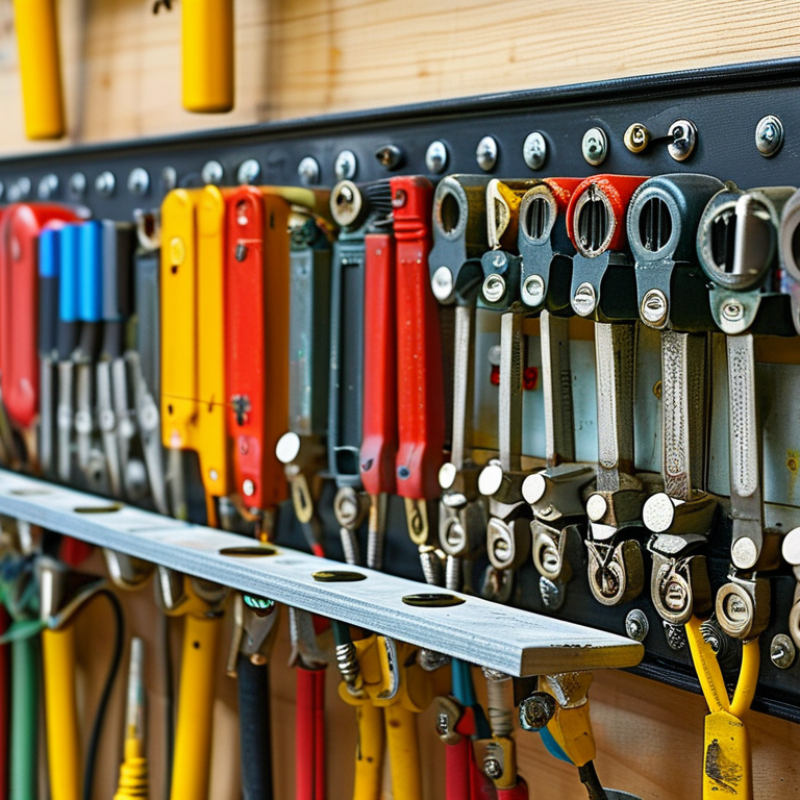
Electrical box magnets play a crucial role in various applications, from construction to DIY projects. They provide a convenient way to hold and secure electrical components during installation. Many professionals consider durability and strength as vital factors when selecting these magnets. They need to withstand the weight of electrical boxes and tools without losing grip. Choosing the right magnet can greatly enhance efficiency on the job, allowing for hands-free operation.
Yet, the selection process can be daunting. Some may overlook the importance of proper sizing, while others might focus solely on price. Misjudging the required strength can lead to costly errors. Magnetic force can diminish over time, making it essential to evaluate the longevity of magnets before purchase. Paying attention to the materials used in the magnet's construction is also key. Not every magnet is created equal, and subpar materials can result in frequent replacements.
Understanding these factors will lead to better choices. While personal experience can guide decisions, it is wise to seek advice from experts. Engaging with professionals can provide insights that enhance the selection process. Electrical box magnets should not be an afterthought but rather a critical consideration in any electrical setup. In turn, this awareness results in safer and more effective installations.
| Tip No. | Tip | Importance | Best Use Cases |
|---|---|---|---|
| 1 | Consider the Magnet Strength | Ensures reliable attachment | Heavy-duty installations |
| 2 | Evaluate Material Quality | Affects durability and lifespan | Outdoor applications |
| 3 | Check Size Compatibility | Ensures proper fit | Tight spaces and compact designs |
| 4 | Assess Temperature Resistance | Prevents demagnetization | High-temperature environments |
| 5 | Understand the Coating Material | Affects corrosion resistance | Moist environments |
| 6 | Look for Easy Installation Features | Saves time and effort | DIY projects |
| 7 | Determine Load Capacity | Ensures safety and efficiency | Heavy equipment |
| 8 | Research Manufacturer Reputation | Indicates reliability | Long-term projects |
| 9 | Check for Compliance Certifications | Ensures safety standards | Commercial installations |
| 10 | Consider Price vs. Value | Affects overall project budget | Cost-sensitive applications |
: They help secure electrical components during installation. This feature improves safety and efficiency in projects.
Consider strength, size, and material. These factors determine how well a magnet will perform.
If a magnet is too weak, it won't hold securely. A stronger magnet might be hard to remove.
Yes, temperature and moisture can reduce magnet strength. Be aware of conditions where magnets will be used.
Conduct practical tests with weights similar to actual use. This helps you find the optimal magnet strength.
Subpar materials can lead to frequent replacements. High-quality materials ensure longer-lasting performance.
Yes, professionals can provide valuable insights. Their experience can guide you toward the best choices.
The size impacts both strength and ease of use. Trying different sizes can lead to better results.
Orientation can influence how well the magnet holds. Test different setups to find what works best.
Don't focus solely on price or overlook proper sizing. These can lead to inefficiencies and safety issues.
Electrical Box Magnets play a crucial role in various applications, providing effective solutions for holding and securing electrical boxes in place. When selecting the best Electrical Box Magnets, it's essential to understand their importance in maintaining stability and efficiency in installations. Key factors to consider include the strength of the magnets, which should align with the specific requirements of your project, as well as the material types that can influence durability and overall performance.
Additionally, the size and shape of Electrical Box Magnets are vital for optimal installation, ensuring they fit securely in designated spaces. Lastly, it's important to assess the balance between cost and quality, as investing in high-quality magnets can lead to better long-term performance and reliability. By following these tips, you can make a more informed choice when selecting Electrical Box Magnets for your needs.
