
When it comes to lifting heavy loads, choosing the right Lifting Socket is vital. A variety of Lifting Socket types are available globally, each designed for specific applications. Navigating this landscape requires careful consideration of factors such as weight capacity, material, and safety ratings.
Lifting Sockets are essential tools in construction, manufacturing, and logistics. They ensure secure lifting and minimize the risk of accidents. While many buyers focus on price, it’s crucial to prioritize quality and reliability. An improperly selected Lifting Socket can lead to serious failures. Buyers should engage with manufacturers and experts to gain insights into the best options.
Furthermore, understanding local requirements and industry standards is essential. Each market may have unique regulations. This can complicate the selection process. However, informed choices enhance safety and efficiency. By exploring various Lifting Socket types, global buyers can better meet their operational needs. The objective is not just to lift, but to lift safely and effectively.
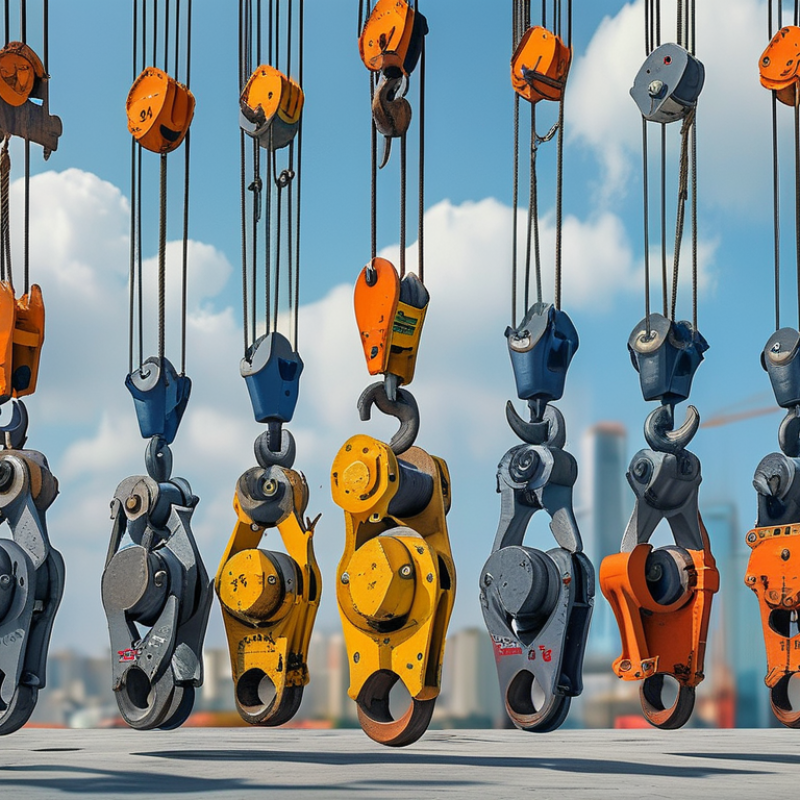
Lifting sockets are essential components in various lifting applications. They are designed for heavy loads and offer safety and reliability. Understanding the different types available can significantly impact your purchasing decisions. Global buyers should consider factors like load capacity, material strength, and end-user needs.
When selecting lifting sockets, safety should be a priority. Each type of socket has specific weight limits. Exceeding these limits can lead to failure. Always check the manufacturer's specifications before use. Testing the equipment in real-world conditions can unveil hidden challenges.
Tip: Ensure compatibility with your lifting equipment. Mismatched components can create hazards. Regular inspections and maintenance can prevent accidents. In the end, making informed choices requires understanding the nuances of lifting sockets. It helps avoid costly mistakes and ensures a safer work environment.
Lifting sockets are vital in various industries. They provide secure attachment points for lifting equipment. Understanding different types helps buyers make informed decisions.
One common type is the swivel lifting socket. This design allows for rotation during lifting. It minimizes torsion on loads, increasing safety. Another popular option is the fixed lifting socket. These sockets provide a stable connection but are less flexible. They are often used in heavy-duty applications.
Buyers should also consider the material of lifting sockets. Steel is durable but can be heavier. Aluminum options are lighter yet might not support as much weight. Each choice has trade-offs. Reflecting on operational needs is important. This ensures the right selection is made.
When selecting lifting sockets, several factors come into play. Understanding the load capacity is crucial. Each socket type has a specific weight limit. Overloading a socket can lead to failures and accidents. It is essential to match the lifting socket with the expected load for safe use.
Material choice is equally important. Lifting sockets are often made from steel or aluminum. Steel offers durability for heavy loads, while aluminum is lightweight and easier to maneuver. Assess the working environment. If corrosion is a factor, consider sockets with protective coatings.
Tips: Always check for certification marks. These indicate compliance with safety standards. Additionally, consider the ease of use. Some models offer quick connections. This can save time and enhance safety during operations.
Pay attention to the design of the socket. Some may look similar but have different functionalities. It's important to review specifications carefully. A poorly chosen socket can result in inefficiencies. Reflect on experiences with various socket types. Learning from past mistakes helps improve future selections.
When selecting lifting sockets, buyers confront a variety of options. Each socket type serves different lifting applications and scenarios. According to industry reports, the demand for reliable lifting systems has grown by 25% in the last three years. This surge highlights the need for buyers to carefully compare types of lifting sockets.
Let's look at two prominent types: the screw lifting socket and the toggle lifting socket. The screw lifting socket is preferred for heavy load tasks. It maintains strong grip even under extreme conditions. Reports indicate a 15% increase in its usage in construction and maritime sectors. The toggle lifting socket, on the other hand, is favored in lighter applications. Its quicker setup makes it ideal for temporary lifting. Yet, it may not provide the same level of stability.
Despite these advantages, limitations exist. Misunderstanding the specific requirements can lead to overestimations of a socket's capability. Ensuring the correct match between the lifting socket type and the load scenario is crucial. Data shows that nearly 40% of accidents occur due to improper lifting gear selection. Hence, continuous education and comparison remain essential for global buyers. Prospective users should stay informed about innovations and performance metrics in the industry.
When considering lifting sockets, safety is paramount. Different regions enforce unique standards and regulations. Global buyers must navigate these varied frameworks. In Europe, for example, EN standards ensure that lifting sockets undergo rigorous testing. This includes assessments for load capacity and structural integrity. Buyers need to verify compliance with local regulations before making purchases.
In North America, OSHA sets stringent guidelines. Employers must select lifting sockets that meet or exceed these standards. Regular inspections and maintenance are crucial. A lifting socket may appear in excellent condition but could harbor hidden weaknesses. It's wise to adopt a proactive approach to testing and certification.
Asia presents its own complexities. Various countries have distinct certifications, which can be confusing. Buyers must stay informed about local expectations. Often, manufacturers may claim compliance without valid proof. Therefore, verifying documentation becomes essential. Ensuring safety in this industry requires diligence and awareness. A single oversight can lead to dangerous consequences. Prioritizing reliable sources and technical expertise helps mitigate risks associated with lifting operations.
: Lifting sockets are key components for securing heavy loads in various lifting applications.
Safety is crucial because each socket type has specific load limits. Exceeding these can lead to failure.
Understanding different types, like swivel and fixed sockets, helps make informed choices.
A swivel lifting socket allows rotation during lifting, minimizing torsion and improving safety.
Consider steel for durability or aluminum for lighter weight, balancing strength and convenience.
Regular inspection is vital to ensure safety and prevent accidents in lifting operations.
Mismatched components can create hazards, leading to potential accidents or equipment failure.
Always check the manufacturer's specifications and load capacity before using lifting sockets.
Testing in real-world conditions can uncover hidden challenges or limitations in your lifting setup.
Understanding the nuances of lifting sockets helps avoid poor decisions and improves work safety.
This article explores the essential aspects of Lifting Sockets for international buyers. It begins by establishing a foundational understanding of lifting sockets and their significance in various lifting operations. A comprehensive overview of the different types of lifting sockets is provided, highlighting their unique features and applications.
Moreover, the article emphasizes critical factors that should be considered when selecting lifting sockets, such as load capacity, material durability, and compatibility with lifting equipment. A comparative analysis of popular lifting socket types helps buyers make informed decisions. Finally, it addresses safety standards and regulations pertinent to lifting sockets worldwide, ensuring that buyers are equipped with the knowledge necessary to ensure safe and compliant lifting operations.
