
Choosing the right Heavy Duty Magnets can determine whether an industrial process runs smoothly or creates repeated delays. In factories, warehouses, workshops, and engineering facilities, magnets may lift steel plates, secure fixtures, separate ferrous materials, or hold components during fabrication. Their performance depends on more than advertised pulling force. Material grade, temperature, surface condition, air gaps, coating quality, and operating direction all affect real-world results.
A reliable comparison should examine neodymium, samarium cobalt, ferrite, and industrial electromagnets. Neodymium magnets provide exceptional strength in compact spaces, making them useful for lifting systems and precision equipment. However, they may lose performance in high heat or suffer damage without suitable protection. Samarium cobalt handles elevated temperatures better, although its higher cost can limit widespread use. Ferrite magnets are more affordable and corrosion-resistant, but they usually require greater size for similar holding force. Electromagnets offer adjustable control, yet they depend on continuous power and careful system design.
Small details matter.
A clean steel surface can improve contact significantly. Rust, paint, gaps, and uneven edges can reduce holding capacity. Field experience also shows that laboratory ratings may not match production conditions. This guide compares magnet strength, durability, temperature tolerance, maintenance needs, and safety considerations. It also questions a common assumption: the strongest magnet is not always the best choice. The most dependable option is the one that matches the load, environment, workflow, and verified operating limits. Manufacturers’ specifications should be checked carefully, and practical testing should never be skipped.
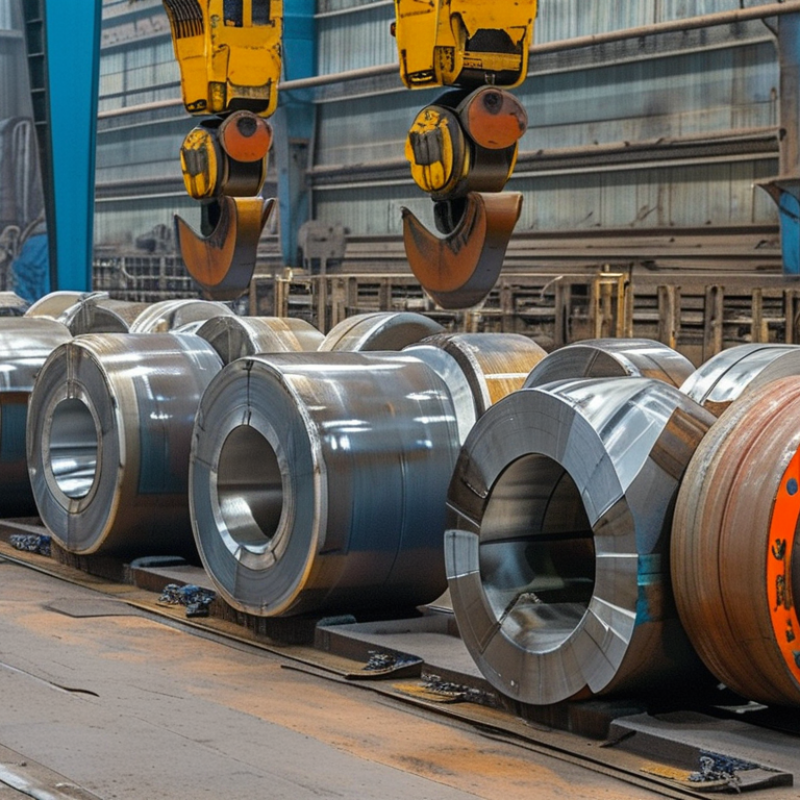
Heavy-duty magnets are engineered magnetic devices built to deliver strong, stable attraction in demanding industrial environments. They may use permanent magnetic materials or powered electromagnetic systems. Their performance depends on magnetic strength, operating temperature, surface contact, coating quality, and load direction. A magnet rated for 1,000 kilograms may not safely lift that weight in real conditions. Air gaps, paint, oil, and uneven steel can reduce holding force sharply.
In factories, these magnets perform several core functions. Magnetic lifters move steel plates, beams, and fabricated parts without drilling holes or using chains. Magnetic separators remove ferrous fragments from grain, plastics, chemicals, and recycled materials. Magnetic chucks hold metal components during cutting, grinding, and inspection. Conveyor systems also use magnets to guide, transfer, or reject steel items at controlled speeds. Electromagnets offer adjustable control, while permanent magnets provide simpler operation and lower energy use.
Reliable selection requires more than choosing the strongest model. Engineers should check the material grade, contact area, shear force, duty cycle, temperature range, and release method. Regular inspections can reveal cracked housings, worn coatings, or weakened attachments. Small defects matter. A careless installation can turn a useful tool into a serious hazard. In practice, specifications are sometimes treated as guarantees, which is a mistake. Testing the magnet with the actual workpiece gives more dependable results than relying on a catalog figure alone.
Heavy-duty industrial magnet selection begins with the job, not the catalog. Permanent rare-earth magnets deliver strong holding force in compact housings. They suit steel handling, fixtures, and automated pick points. Ceramic magnets cost less and tolerate heat better, but provide lower strength. Electromagnets offer adjustable force and easy release. They need continuous power, unless a battery-backed design is specified. That detail matters during outages. Magnetic lifting devices often use flux paths, safety latches, and rated working loads. Engineers should verify tested capacity on the actual plate thickness, surface condition, and air gap. Paint, rust, and curved surfaces can sharply reduce holding force. A published maximum is not a field guarantee.
For bulk processing, overband magnets, drum separators, and pulley magnets remove ferrous fragments from conveyors. They are common in recycling, aggregates, food processing, and mineral handling. The U.S. Geological Survey’s Mineral Commodity Summaries 2024 reported about 350,000 metric tons of rare-earth-oxide equivalent mine production worldwide in 2023. Supply remains concentrated. The International Energy Agency reported in its 2024 Global Critical Minerals Outlook that China handled roughly 90% of refined rare-earth output and about 94% of permanent-magnet production. This concentration affects procurement risk and replacement timing. High-temperature lines may need samarium-cobalt or specialized ferrite assemblies, although the choice deserves thermal testing. It is easy to over-specify magnet strength. Sometimes, better alignment and a smaller air gap solve the problem more safely. Real installations are messier than spreadsheets.
Heavy-duty magnets for industrial use must match the working environment, not just the advertised strength. Neodymium-iron-boron magnets deliver very high pull force in compact sizes. They suit lifting fixtures, magnetic clamps, and automated handling tools. Ferrite magnets offer lower strength but better resistance to corrosion and high temperatures. Samarium-cobalt magnets perform reliably in hotter, demanding conditions. Material choice is critical.
Load capacity needs careful testing. Manufacturers often list pull force against thick, clean steel with direct contact. Real installations rarely provide those conditions. A two-millimeter air gap can reduce holding power sharply. Paint, rust, dust, and uneven surfaces create similar losses. Shear loads also differ from straight lifting forces. Test the actual assembly. Small details matter.
Performance depends on temperature, coating quality, alignment, and repeated impact. Continuous heat can permanently weaken some magnetic materials. Protective coatings help, but damaged plating may expose the magnet to moisture. Inspect edges, fasteners, and contact surfaces during routine maintenance. Use a suitable safety factor for vibration and unexpected movement. Do not rely on one factory number. That shortcut can fail. A practical design may need a larger magnet, a mechanical backup, or both. Even careful calculations deserve field verification, because real steel surfaces are rarely as perfect as laboratory samples.
Selecting a heavy-duty magnet begins with the application, not the catalogue rating. A magnet lifting a steel plate vertically faces different forces from one holding a conveyor guard against vibration. Engineers should check pull force, shear load, air gap, temperature, corrosion, and duty cycle. A simple pull rating can mislead.
Neodymium magnets provide very high strength in compact spaces, but their performance can decline near their maximum temperature. Samarium-cobalt suits hotter environments and resists corrosion better, although it is more brittle and costly. Ferrite magnets offer lower strength but stable operation and economical large-area coverage. Electromagnets may be preferable when operators need rapid release or adjustable force. The U.S. Department of Energy’s Critical Materials Assessment 2023 identifies several rare-earth elements used in high-performance magnets as supply-risk materials. That risk deserves attention during long-term equipment planning.
Designers should request measured force at the real working gap, not only the manufacturer’s ideal surface value. Include a safety factor for shock, vibration, contamination, and uneven contact. The International Energy Agency reported in Global Critical Minerals Outlook 2024 that one country produces over 90% of sintered permanent magnets. Supply concentration can affect replacement schedules. Field engineers often overlook demagnetization after repeated heating. It happens. A pilot test with thermocouples, steel coupons, and repeated load cycles can reveal weaknesses before installation. Also verify coatings, guarding, and handling procedures against applicable industrial safety standards.
Heavy duty magnets require controlled installation, even when their lifting capacity looks impressive. Check the manufacturer’s rated load, working temperature, surface condition, and safety factor before moving material. Never judge capacity by appearance. A thin layer of paint, oil, rust, or an uneven plate can reduce holding force sharply. Use trained personnel, certified lifting equipment, and a clearly marked exclusion zone. Keep hands away from contact surfaces. Pinch injuries happen quickly.
Permanent magnets should be transported with approved spacers fitted between magnetic faces. Remove spacers only after the magnet is secured. For electromagnetic systems, isolate electrical power before inspection, adjustment, or cleaning. A backup support remains necessary during power interruptions. Keep magnetic-sensitive devices, loose tools, watches, and stored data outside the stated clearance zone. The exact distance depends on magnet strength and equipment design.
Inspect the housing, handles, cables, connectors, and mounting hardware before each shift. Look for cracks, unusual heat, corrosion, and damaged insulation. Clean contact surfaces with suitable non-abrasive materials. Do not strike a magnet to release it. Use a designed release mechanism or controlled separation tool.
Record inspection results and any dropped loads, even when no damage appears. Small incidents often reveal weak procedures. A checklist helps, but it is not perfect. Supervisors should review it after equipment changes, near misses, or repeated operator confusion.
They lift steel plates, beams, and fabricated parts without drilling holes. They also separate ferrous fragments, hold components, and guide metal on conveyors.
Not always. Rated capacity usually assumes thick, clean steel with direct contact. Paint, oil, rust, dust, and uneven surfaces can reduce holding force sharply. That number is not a guarantee.
Even a two-millimeter gap can greatly reduce holding power. A thin paint layer or small dent may create that gap. Check the real contact surface.
Permanent magnets work without continuous power and usually need simpler controls. Electromagnets allow adjustable strength and controlled release. Power failure needs careful planning.
High-strength rare-earth materials suit compact lifting fixtures and clamps. Ferrite materials resist corrosion and heat but provide lower strength. High-temperature alloys suit hotter industrial areas. The strongest option may not be the best one.
Check material grade, contact area, load direction, temperature, and duty cycle. Straight lifting differs from sideways sliding or shear loading. Vibration and sudden movement also require a suitable safety factor.
Look for cracked housings, damaged coatings, loose fasteners, and worn contact faces. Moisture can enter through damaged plating. Inspect regularly. Small defects matter.
Yes. Test the complete assembly on the real steel surface. Laboratory samples are cleaner and flatter than factory materials. A mechanical backup may still be wise. I would not rely on one catalog figure.
Heavy Duty Magnets are engineered for demanding industrial environments where reliable lifting, holding, separating, or positioning performance is essential. Unlike ordinary magnets, they are designed to handle greater loads, repeated use, vibration, heat, and challenging working conditions. Common types include permanent lifting magnets, electromagnetic systems, magnetic separators, pot magnets, and flexible magnetic assemblies. Their effectiveness depends on material composition, magnetic force, surface contact, air gaps, load shape, and operating temperature.
Selecting the right magnet requires evaluating the load’s weight, size, material, surface condition, movement, and workplace environment. Users should also consider rated capacity, safety factors, power requirements, and whether the magnet must operate continuously or intermittently. Safe installation and operation involve checking equipment before use, securing proper contact, avoiding overloads, keeping unauthorized personnel away from suspended loads, and following established workplace procedures. Regular cleaning, inspection, testing, and maintenance help preserve performance and identify wear or damage before it creates a safety risk.
