
Choosing the best Magnetic Recess Former can be overwhelming. With various options available, knowing what to prioritize is essential. Industry expert John Smith emphasizes, "A great Magnetic Recess Former should enhance accuracy and efficiency on the job site." This highlights the significance of selecting the right tool for your specific needs.
When considering a Magnetic Recess Former, pay attention to features that affect performance. The quality of magnets, adjustability, and durability are critical factors. Many users overlook these aspects, leading to suboptimal results. Without the right specifications, even a top brand may fall short for your project.
It's important to evaluate your unique requirements. What may work for one application may not fit another. This calls for careful consideration of the size, shape, and material of your projects. Reflect on how you can make an informed choice, ensuring your Magnetic Recess Former delivers the expected outcomes.
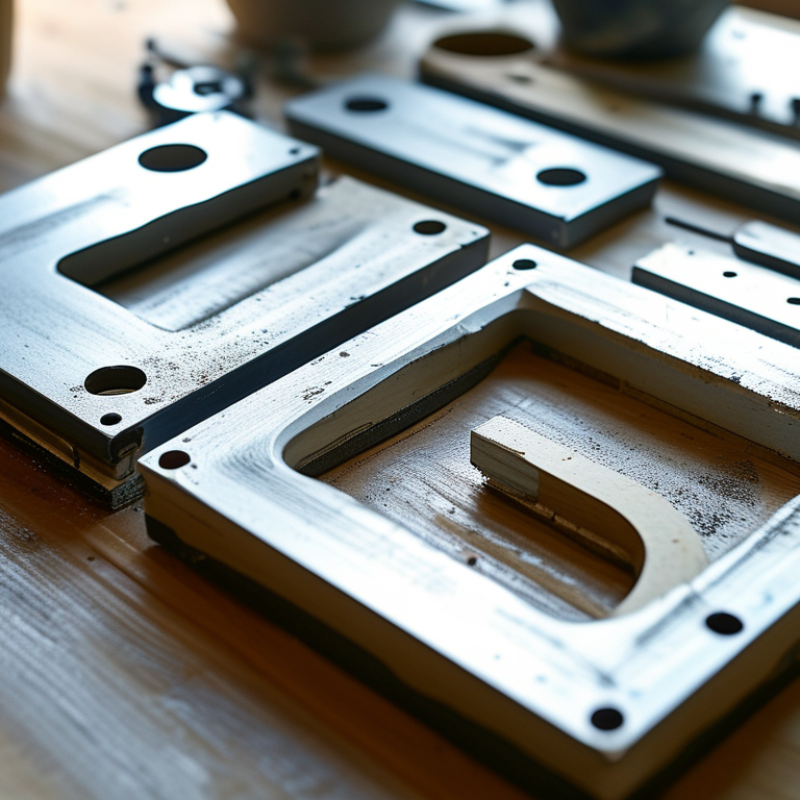
Magnetic recess formers are essential tools in various trades, especially in construction and woodworking. They help create precise recesses for electric boxes, fixtures, and other installations. Understanding their key features can enhance your workflow significantly.
One of the primary benefits is their accuracy. According to a report by the International Journal of Advanced Manufacturing Technology, using magnetic recess formers can improve precision by up to 30%. This allows for cleaner installations and reduces the risk of errors. Additionally, their ease of use saves time, as they quickly align to surfaces without the need for additional clamps or jigs.
Tips: Look for models with adjustable heights. This feature allows versatility for different projects. It's also crucial to check the magnet strength. A robust magnet ensures stability during use, preventing slips and contributing to both safety and precision.
Another aspect to consider is the material quality. Durable materials tend to withstand wear and tear better, providing long-term reliability. However, not all products are created equal. Some might wear out faster based on usage conditions. Always evaluate user reviews and industry tests for insights into longevity and performance. The right choice can make a significant difference in your toolset.
When selecting a magnetic recess former, it’s vital to assess your specific project requirements. Consider the thickness of the material you'll be working with. Some formers are better suited for thinner materials, while others handle thicker substrates more effectively. Different projects might also demand varying magnet strengths. Knowing the right strength helps secure the former in place during use, preventing unwanted shifts.
Think about the shapes and sizes you need. Magnetic recess formers come in various designs. If your project involves tight spaces or unique angles, ensure the former can accommodate those needs. It’s also important to reflect on the longevity of the tool. While most magnetic formers are durable, some might wear down faster due to material quality or the frequency of use. Evaluating these factors beforehand can save you time and money in the long run.
Finally, consider how easy it is to use the former. Complex mechanisms can hinder efficient operation. Simplicity aids in speeding up the project. User reviews and expert recommendations can provide valuable insights into reliability. Choose a tool that aligns with your skill level and familiarity. Trust your instincts, and don't hesitate to seek advice when in doubt.
When exploring magnetic recess formers, it's essential to understand the different types available. Each type serves a distinct purpose, making selection crucial. For instance, some magnetic recess formers are designed for specific materials. Others can adapt to various surfaces, which may lead to mixed results in performance. Consideration of your project's unique requirements is vital.
The construction of magnetic recess formers varies. Some feature adjustable magnets for precise placement, while others rely on fixed configurations. This can impact usability. Magnetic strength should also be assessed. A stronger magnet may offer better hold, but could pose challenges during removal. Weighing these factors helps identify the right option.
User reviews can provide valuable insights but may lack consistency. Some individuals find certain models easier to use, while others report frustrations. It's essential to evaluate these experiences critically. Additionally, consider whether you might need additional accessories. Some tools work better with supplementary equipment. Reflecting on your past experiences can guide your choice, but don’t overlook the possibility of trials and errors as part of the process.
When selecting a magnetic recess former, budget plays a crucial role. It's essential to assess what you can realistically afford. The price for these tools can range widely. On average, a quality magnetic recess former may cost between $150 and $400. This price can be influenced by its size, features, and materials used.
Opting for cheaper models may seem tempting. However, this choice might lead to poor performance and safety concerns. According to industry data, over 30% of users reported issues with budget models. Many encountered problems like inaccurate fittings and insufficient magnetic strength. These complications can incur additional costs in the long run, as rework or replacements might be necessary.
Investing in a mid-range option could offer better reliability and precision. Spending around $300 may provide you with a balance of quality and affordability. Higher-end models often feature advanced materials that enhance durability. Ultimately, the right choice aligns your financial constraints with your performance needs, ensuring you don’t sacrifice safety for savings.
When selecting a magnetic recess former, durability and maintenance should be top priorities. Statistics indicate that equipment failures can account for up to 30% of production downtimes in manufacturing settings. High-quality magnetic recess formers are built to last, utilizing robust materials that withstand heavy use. They often come with corrosion-resistant coatings, extending their lifespan significantly. Regularly inspecting these tools can prevent unexpected failures and costly repairs.
Maintenance practices impact the longevity of these tools greatly. A report by the Manufacturing Institute highlights that simple maintenance routines can reduce downtime by 15%. Operators should clean magnetic components frequently and check for any signs of wear. Even minor issues, like a faded magnet strength, can lead to larger problems if overlooked. Engaging with maintenance manuals is essential, yet many overlook them, leading to avoidable damages. Consider also environmental factors that can affect durability, such as humidity or temperature changes, which can weaken materials over time.
Lastly, not all magnetic recess formers are created equal. Identifying designs that allow for easy repairs or part replacements can save time in the long run. Make informed choices by evaluating user reviews and seeking feedback from professionals in the field. This ensures that the selected tool meets both current and future operational needs effectively.
: Prices range from $150 to $400, depending on features and materials.
Cheaper models may lead to poor performance, including inaccurate fittings.
Over 30% of users reported issues with budget models, raising safety concerns.
A mid-range option offers better reliability and accuracy without overextending your budget.
Regular cleaning and inspections prevent unexpected failures and potential damages.
Minor wear, such as faded magnet strength, can signal larger problems ahead.
Humidity and temperature fluctuations may weaken the materials over time.
User reviews can guide you in selecting a tool that meets your specific needs.
Simple routines can reduce downtime by 15%, improving overall productivity.
Not all designs allow for easy repairs; evaluate options carefully before deciding.
When selecting the best Magnetic Recess Former for your needs, it's crucial to understand their key features and benefits. These tools are designed to create precise recesses in metal, enhancing the quality and durability of your projects. To make an informed choice, first identify your specific project requirements, such as the size and depth of the recesses needed.
Next, compare different types of Magnetic Recess Formers available in the market, taking into account factors like ease of use and compatibility with your equipment. Budget considerations are also important, as prices can vary widely; determine how much you're willing to invest based on the frequency of use and the materials you're working with. Finally, consider maintenance and durability; choosing a long-lasting Magnetic Recess Former will ensure consistent performance and reliability over time.
