The construction industry has seen a significant evolution in recent years, particularly with the use of Formwork Magnets. As global demand for efficient construction solutions grows, so too does the importance of reliable and innovative formwork technologies. According to the latest report by MarketsandMarkets, the global formwork market is projected to reach $8.8 billion by 2026, highlighting the increasing integration of advanced materials and methods.
Dr. Emily Thompson, a noted expert in construction technology, emphasizes the need for innovation: "The future of formwork is not just about materials, but about how we adapt to modern building challenges." This statement reflects the push for smarter, more efficient solutions like Formwork Magnets that enhance construction speed and safety. These magnets provide a flexible and reusable method to secure formwork systems, reducing labor costs and time.
Despite the advancements, some challenges remain. Many projects face issues with magnet strength and reliability under varying conditions. Stakeholders must consider these factors when selecting formwork systems. Optimizing the use of Formwork Magnets requires a balance between efficiency and robustness, acknowledging that not all solutions fit every project. This dynamic landscape calls for ongoing research and adaptation to meet the evolving needs of the industry.
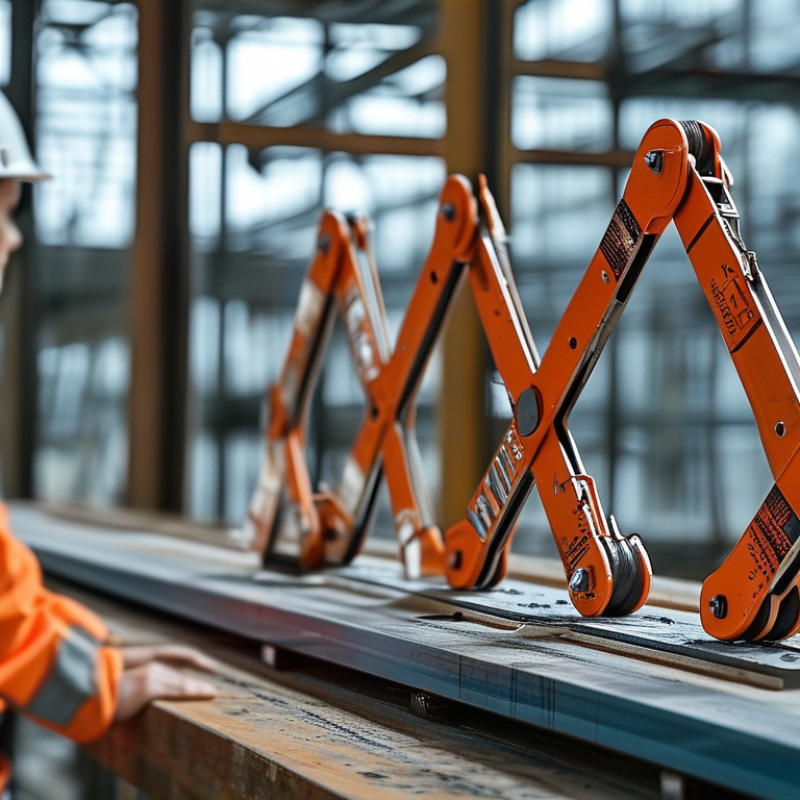
Overview of Formwork Magnets in the Construction Industry
In the construction industry, formwork magnets play a crucial role in securing various components. These magnets provide stability and efficiency, allowing for precise alignment. As industry demands evolve, understanding the significance of these tools becomes essential.
Formwork magnets offer versatile applications across various projects. They can be used in concrete casting, enabling quicker setup and improved quality control. Moreover, these magnets can be adjusted easily, making them ideal for dynamic construction environments. Proper selection of formwork magnets can greatly affect project timelines and budgets.
Tips for using formwork magnets effectively include ensuring they are compatible with your project requirements. Regularly inspect the magnets for wear and tear. Well-maintained magnets can enhance performance and safety. Also, consider the load-bearing capacity of each magnet to prevent accidents. Sometimes, underestimated aspects can lead to significant setbacks in construction efficiency.
2026 Top Formwork Magnet Trends for Global Buyers
This chart illustrates the current trends in formwork magnets within the construction industry, focusing on key factors that influence global buyers' decisions such as cost efficiency, quality improvement, ease of use, load capacity, and durability. Each metric is represented on a scale from 0 to 100, reflecting its popularity in 2026.
Key Features and Innovations of 2026 Formwork Magnets
The formwork magnet industry is experiencing dynamic shifts as we approach 2026. Innovations are shaping the way construction projects utilize these essential tools. Key features include improved magnetic strength and durability. Reports indicate that high-performance magnets can increase safety and efficiency on construction sites, with a reduction in setup time by up to 30%. Such advancements highlight a notable trend towards automation and smart technologies in the construction sector.
In this evolution, lightweight materials are becoming a focal point. Manufacturers are developing magnets that not only hold strong but are also easier to handle. This addresses a common challenge: balancing strength and usability. Users have noted the importance of magnet placement accuracy in reducing errors. Furthermore, research shows that clear visual markers on magnets can enhance user experience. The construction workforce can benefit from such innovations, making projects feel more manageable.
In navigating these changes, consider the long-term reliability of the magnets you choose. Understand the environmental impact of the materials used. Look for options that prioritize sustainability without compromising strength. Regular maintenance checks can prolong magnet life significantly. Learning from past inadequacies in product performance may guide better future selections. Prioritizing informed choices is essential for success in this evolving landscape.
Market Demand and Trends Driving the Global Formwork Magnet Sector
The global formwork magnet sector is experiencing notable growth driven by evolving market demands. As construction projects become more complex, the need for efficient formwork solutions increases. Formwork magnets offer unparalleled advantages in terms of speed and ease of use. As a result, builders are increasingly turning to these tools for their construction needs.
Collaborative innovations are shaping the industry. Manufacturers are now focusing on producing magnets with enhanced gripping power and durability. These advancements are essential for ensuring safety and reliability on job sites. However, there are still challenges to overcome. Some buyers report issues with varying quality levels in different products, indicating a need for more rigorous standards in manufacturing.
Sustainability is becoming a priority for many buyers. Environmentally friendly materials are increasingly in demand. This shift encourages manufacturers to explore alternative materials that reduce the carbon footprint. However, the transition can be difficult. Finding the balance between high-performance magnets and eco-friendly options requires careful consideration. This ongoing evolution highlights how crucial it is for the sector to adapt to changing buyer preferences while maintaining quality and safety standards.
2026 Top Formwork Magnet Trends for Global Buyers - Market Demand and Trends Driving the Global Formwork Magnet Sector
| Region |
Market Size (Million $) |
Growth Rate (%) |
Main Application |
Trends |
| North America |
400 |
6.5 |
Commercial Construction |
Sustainability Focus |
| Europe |
350 |
5.8 |
Infrastructure Projects |
Innovative Materials |
| Asia-Pacific |
600 |
8.2 |
Residential Construction |
Adaptation of Technology |
| Latin America |
200 |
4.5 |
Commercial Projects |
Increased Urbanization |
| Middle East & Africa |
150 |
5.0 |
Infrastructure Development |
Digital Integration |
Comparative Analysis: Traditional vs. Modern Formwork Magnet Solutions
The shift in formwork magnet solutions is notable. Traditional magnets, often heavy and bulky, require considerable effort for handling. They can be time-consuming to install and remove. Modern approaches focus on lightweight materials and streamlined designs. This evolution improves efficiency on construction sites, allowing for quicker setup and dismantling processes.
Using the right formwork magnet can significantly impact project timelines. Ensure that you choose magnets that provide the appropriate holding force for your needs. Consider environmental conditions, as temperature can affect magnet performance. Always assess the load-bearing capacity before making a decision.
Another area to reflect on is the cost-effectiveness of these solutions. While modern magnets might have a higher upfront cost, they can save valuable time and resources in the long run. Weighing the long-term benefits against initial investment is crucial. This step can lead to better planning and budget management in your projects.
Future Outlook: Predictions for Formwork Magnet Technology in 2026 and Beyond
As we look ahead to 2026, the landscape of formwork magnet technology is poised for significant transformation. Industry experts predict that several innovative features will redefine how these magnets are utilized in construction projects. Enhanced holding power, eco-friendly materials, and improved durability are expected to be at the forefront. As projects become more ambitious, the demand for reliable and efficient solutions grows.
Despite these advancements, challenges remain. Many construction teams face difficulties adapting to new technologies. Training workers on advanced systems often proves to be a hurdle. The cost of implementation can deter smaller contractors from investing in cutting-edge technology. Finding a balance between traditional methods and innovative solutions requires ongoing consideration.
Another evolving aspect is the integration of smart technology. Future formwork magnets may incorporate sensors to monitor performance in real time. This development could potentially reduce project delays and enhance safety. However, the reliance on technology raises concerns about data security and system failures. The path forward requires a careful analysis of the potential risks and rewards associated with adopting new technologies.
Conclusion
The article titled "2026 Top Formwork Magnet Trends for Global Buyers" provides a comprehensive overview of the evolving landscape of formwork magnets in the construction industry. It highlights the key features and innovations shaping the formwork magnet market in 2026, such as increased efficiency, enhanced safety features, and sustainability practices. The demand for innovative solutions is driving trends in the global sector, with a comparative analysis between traditional and modern formwork magnet solutions underscoring the advantages of advancements in technology.
Looking ahead, the article predicts significant developments in formwork magnet technology, emphasizing the need for adaptability to meet the construction industry's growing requirements. The future outlook suggests that as construction methods evolve, formwork magnets will play a crucial role in streamlining processes and improving project outcomes, solidifying their importance in construction practices beyond 2026.